

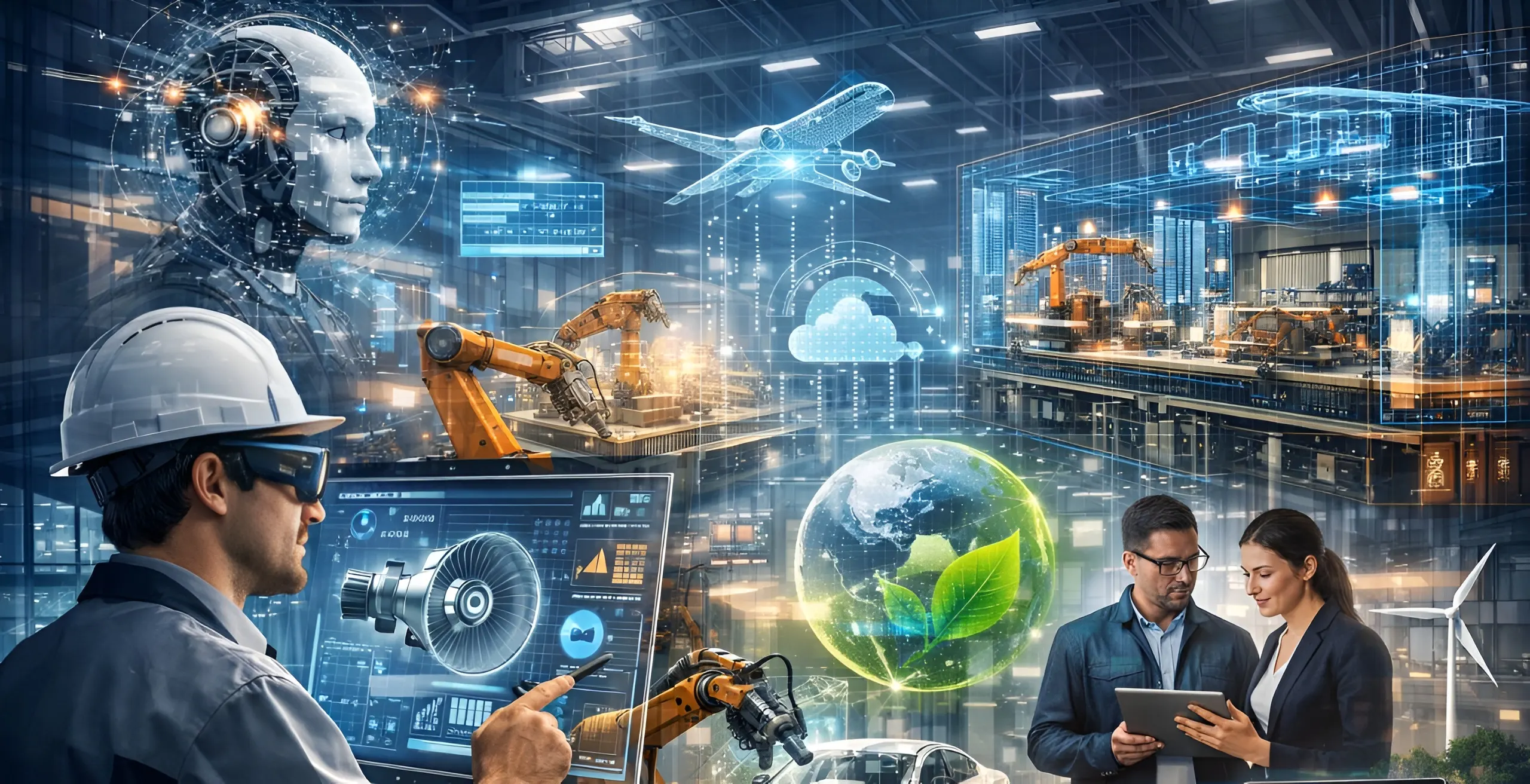
PLM Solutions have evolved from simple data repositories into the central nervous system of modern industrial operations. As we move through 2026, the manufacturing landscape is no longer just about physical assembly. Digital agility, real-time data and hyper-precision now define it.
For any organisation aiming to remain competitive, a robust Product Lifecycle Management framework is a strategic necessity. The shift toward green manufacturing and extreme customisation requires a digital foundation that can adapt instantly.
PLM Solutions: The Backbone of Industry 5.0
Industry 5.0 has placed a massive emphasis on human-centric design and resilient systems. PLM Solutions serve as the single source of truth for these complex ecosystems. They ensure that every stakeholder, from the R&D lab to the shop floor, works with identical data.
In 2026, the Digital Thread in Manufacturing is what separates market leaders from those struggling to keep up. By implementing a modern PLM, businesses achieve:
- Real-time Collaboration: Instant synchronisation for distributed global teams.
- Version Control: Elimination of costly errors caused by outdated blueprints.
- Seamless Integration: Connection of CAD, CAE, and CAM data into one ecosystem.
- Data Integrity: Reduced risk of information silos across departments.
The Evolution of Smart Manufacturing 2026
Manual processes can no longer sustain growth in the manufacturing world. The complexity of modern products requires a level of oversight that only automated systems can provide.
AI-driven Lifecycle Management
Artificial Intelligence is now deeply embedded within PLM platforms. In 2026, manufacturers use these tools for predictive analytics. Before building a physical prototype, this enables teams to identify potential product failures or optimise material usage.
Sustainable Product Development
Global regulations now demand “Digital Product Passports.” PLM systems are essential for tracking the carbon footprint of raw materials. This makes Sustainable Product Development a core functional requirement rather than a secondary goal.
Cloud-based PLM Accessibility
The transition to the cloud has democratised high-end engineering tools. In 2026, Cloud-based PLM allows for “Customisation at Scale.” This ensures that even smaller firms can produce bespoke products with the efficiency of mass production.
Why Proximity and Speed Define Modern Success
In 2026, we measure efficiency by the speed at which a concept transitions from the drawing board to the customer. Every hour saved in the design phase is an hour gained in market dominance.
- Reducing Time-to-Market: PLM removes the bureaucratic bottlenecks that delay product launches.
- Design for Manufacturability: Engineers can see real-time manufacturing constraints during the design phase.
- Supplier Integration: Direct links to suppliers allow for faster material sourcing and fewer delays.
Digital Twin Integration and Maintenance
Modern PLM solutions manage the massive data streams required to feed a Digital Twin. This allows for live simulation of production lines, which is critical for Smart Manufacturing 2026.
By utilising digital twins, companies can:
- Simulate production runs to find bottlenecks.
- Perform virtual stress tests on new product designs.
- Predict when machinery needs maintenance to avoid downtime.
- Train staff in virtual environments before they touch physical equipment.
Quality Control and Compliance Standards
As global standards become stricter, the margin for error shrinks. PLM systems provide a transparent audit trail for every component produced.
- Automated Compliance: The system automatically checks designs against regional safety standards.
- Traceability: Instantly track the origin of any part in the event of a recall.
- Risk Mitigation: Early detection of design flaws prevents massive financial losses later.
Final Thoughts on the Digital Future
In 2026, PLM is no longer a luxury reserved for global giants. It is a survival tool for any manufacturer aiming for sustainable growth. By centralising data and embracing the digital thread, you empower your team to innovate faster and more responsibly.
Frequently Asked Questions (FAQs)
1. How do PLM solutions differ from ERP systems?
ERP focuses on business processes like billing, shipping, and inventory. PLM focuses on the product itself, from the initial concept and engineering specs to its eventual recycling.
2. Can small and medium-sized manufacturers (SMEs) afford PLM in 2026?
Yes. The rise of Cloud-based PLM has lowered the barrier to entry. SMEs now use subscription-based models that scale as the business grows, avoiding massive upfront hardware costs.
3. What is the role of PLM in sustainable manufacturing?
PLM acts as the record-keeper for a product’s environmental impact. It tracks raw material origins and energy consumption, helping brands meet strict global ESG (Environmental, Social, and Governance) goals.